Discover the exception that matters.
Practise asking an operator to walk through real work. Notice when a workaround protects a customer, catches an error or transfers effort to someone else.

For AI Forward Deployed Engineers
Fieldcraft · Human Intelligence for AI Deployment
Fieldcraft trains forward-deployed engineers and AI deployment leads to discover how the work really happens, create psychologically healthy and safe deployment environments, and help people carry a new way of working.
AI deployment · Beyond the demonstration
The demonstration follows the clean path. The business runs on exceptions: a customer promise, an undocumented check, a local expert who knows when the usual process will fail.
Your engineer needs access to that knowledge. Operators need enough trust to question the design, explain the workaround and admit what they do not yet understand. The conversation shapes the system and the responsibilities people will carry afterwards.
Fieldcraft develops the human intelligence your deployment teams need to discover that reality, work through the disagreement and build local ownership. Psychological health and safety includes both the encounter and the workload the deployment creates.
Use a live deployment to practise discovery, difficult conversations and shared decisions. Examine what the engineer learned, what changed in the workflow and what the local team can now carry with support.
What you develop through Fieldcraft
Practise asking an operator to walk through real work. Notice when a workaround protects a customer, catches an error or transfers effort to someone else.
Stay effective when a sponsor is impatient or an operator challenges the design. Make uncertainty discussable and bring the right authority into the decision.
Agree how the local team will use, question and improve the new workflow. Check support, workload and ownership beyond the demonstration and handover.
Your guide · Trace Hobson
Entering a business to change how it works means meeting years of experience, relationships, pressure, and workarounds. Your people need to handle that responsibility alongside the technical work.
Trace brings a career in implementation, project management and operational leadership, alongside experience developing coaches and practitioners. Fieldcraft applies that background to the human work of AI deployment.
Meet Trace and explore his experienceHow we begin
Discuss a recent difficult engagement and the capability your field team needs to develop.
Agree the participants, live deployments, sponsor support, time, investment, and evidence to review.
Rehearse real encounters, apply the learning, and review practitioner capability and operating changes with the sponsor.
Start with an enquiry. We agree the fit, scope, time, and investment before you commit.
Fieldcraft · Programme at a glance
For forward-deployed engineers, deployment leads, and the organisations responsible for making AI work inside a business.
Practise the human side of deployment: surface difficult information, create psychological health and safety, and connect what people reveal to decisions, ownership, and follow-through.
Start with a conversation about a real deployment, what your people need to be able to do, and whether the proposed pilot fits. An enquiry starts a conversation; it does not book a place or session.
THE BUSINESS YOU’RE BUILDING
Your people enter years of experience, relationships, pressure, and workarounds. What they hear—and what others feel able to tell them—changes what gets built.
Your strongest people can carry the difficult engagement.
Can the rest of your team?
A technically sound project still needs someone who can earn an operator’s confidence, work through a disagreement, and bring the right decision into the room.
Develop more practitioners who can do that independently—with less preventable rework and fewer avoidable calls for senior intervention.
You can standardize the technology.
You still need to understand each business.
A local workaround may protect an important customer commitment. A shared process may move work onto people who have no capacity to carry it.
Train your implementation teams to discover the difference, preserve essential knowledge, and build local ownership as responsibilities change.
The value-creation plan depends on people
being able to carry it.
A deadline, a new workflow, and a good business case do not resolve questions about authority, capacity, or whose judgment still matters.
Develop field teams who turn those questions into responsible decisions and help operating leaders sustain the result after handover.
INSIDE A DEPLOYMENT
One fictional situation, unfolded.
An invoice workflow. A deadline.
An operator who sees a problem.
“There’s a reason
we still do it this way.”
The sponsor wants a demonstration next week. The engineer feels the urge to defend the design. The operator has seen what happens when someone questions the plan.
“Walk me through
the invoice that breaks this.”
The engineer acknowledges what they don’t yet know and listens. The operator explains that urgent work bypasses the purchase-order process. The new review queue would fall on a team already at capacity.
“Who has the capacity
and authority to review it?”
The team changes the exception route. The sponsor assigns review capacity and stop-and-escalate authority. The operator rehearses the new workflow and knows where to raise the next problem.
A teaching example, not a client result. Fieldcraft practises the encounter and examines its operational consequences.
THE HUMAN CONDITIONS FOR CHANGE
People need room to question, conditions that protect their health, and a workable way forward. Fieldcraft teaches practitioners to develop all three with the people and leaders around them.
Ask a question. Admit uncertainty. Challenge a plan. Raise an error without humiliation or retaliation for speaking in good faith.
“Can I tell you what I see?”
Examine workload, authority, respect, and support. Work with responsible leaders to address the conditions that put people at risk.
“Can we work this way without being harmed?”
Build a shared reason to move forward, confidence in the team’s ability, and the time, knowledge, and support to carry the change.
“Are we willing and able to do this together?”
The human intelligence to learn what matters together.
The human readiness to act on it together.
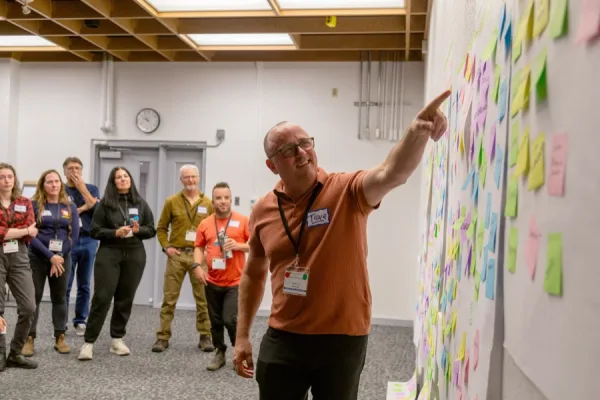
Trace, in the work with a group.
THE PRACTICE
We work with the moment someone becomes defensive, the room goes quiet, or a decision keeps returning to the same senior person.
Demonstration. Rehearsal. Observation. Feedback. Then one specific behaviour to practise in the work you’re already doing.
Notice your reaction, acknowledge what you don’t know, and stay present enough to hear something that changes your understanding.
Listen across differences in power and experience. Examine real exceptions and where a proposed workflow moves effort, control, or responsibility.
Invite challenge, respond respectfully, and repair a conversation when someone has been dismissed. Give quieter voices meaningful ways to contribute.
Clarify the consequence, involve the people affected, identify who can act, and return with a response. Sometimes the responsible next move changes the plan.
Practise exception handling, clarify authority, and establish support and review. Leave people able to question and improve the work after handover.
GROUNDED IN RESEARCH
Google’s Project Aristotle ranked psychological safety first among five factors associated with effective teams. A broader meta-analysis examined 136 independent samples.
Workplace psychological health research also directs attention to the conditions people work in. Fieldcraft brings these strands into deployment practice—and evaluates what changes.
Explore the evidence and its implications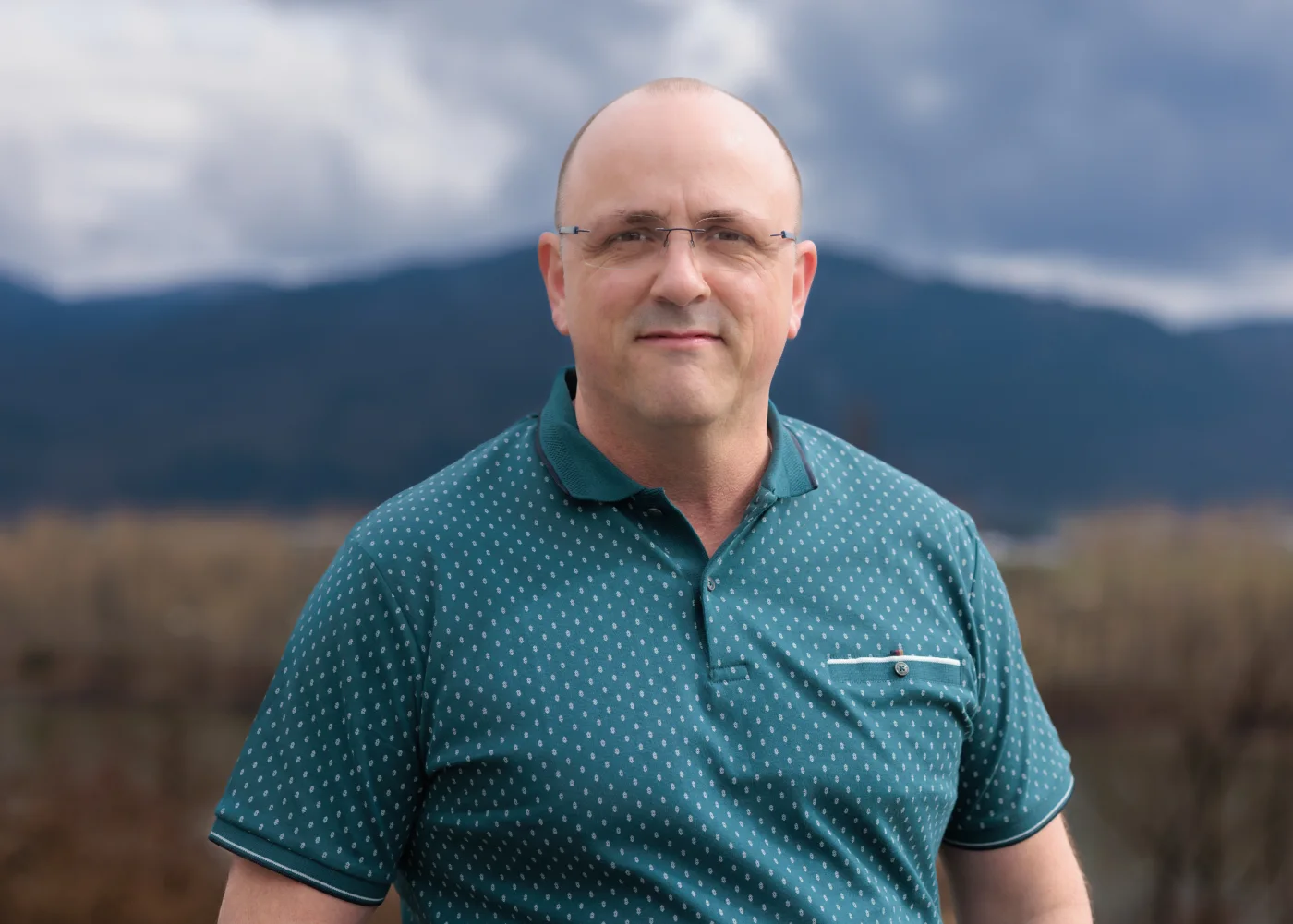
THE EXPERIENCE BEHIND FIELDCRAFT
Implementation and project management have been part of my work throughout my career. I’ve worked on many different kinds of implementation, from industrial project management practices and technician training to the systems people use to run an operation.
At Superior Propane, that included developing project management practices for industrial projects and helping roll out a service training centre for technicians across BC and into the Yukon. At Badger Daylighting, it included building management, onboarding and safety systems as the BC operation grew.
That is the experience I bring to the human side of AI deployment: understanding the work people actually do, coordinating across responsibilities, and helping a new way of working become something people can carry forward.
I combine that operational background with thirty years of work with leaders and teams, psychological health and safety work at Fraser Health, and experience training and mentoring coaches and practitioners. Alan Seale mentored me to lead Transformational Presence programmes.
In Fieldcraft, I develop forward-deployed engineers and deployment leads through real situations and live practice. We work on the conversations that reveal a hidden constraint, surface a concern or change a deployment decision—and the skills to create psychologically healthy and safe conditions while people’s work is changing.
The people you send to carry change need development and support, too.
Trace
More about Trace’s workEXPERIENCE BEHIND THE WORK
More than 10,000 hours coaching leaders and working with teams, alongside experience inside healthcare, industry and other high-pressure organizations.
 Royal Roads University
 University of Fredericton
 Simon Fraser University
 MTHS Certified Trauma-Informed Coach
 ICF Professional Certified Coach
 Certified Transformational Presence Coach
 Fraser Health
 Island Health
 BC Hydro
 TELUS
 Vancouver 2010 Olympics
 Peter Kiewit
 City of Vancouver
 FortisBC
FIELDCRAFT · THE FOUNDING PILOT
Eight weeks with ten practitioners across two to four active deployments. A bounded programme, built around the situations your team needs to handle.
BEFORE WE BEGIN
Examine recent difficult deployments. Agree the problem, the baseline, and where participants can practise.
WEEK 1
A four-hour opening lab. Establish working agreements, practise an encounter, and choose a behaviour to develop.
WEEKS 2–7
Six 90-minute labs. Bring current cases, rehearse, receive feedback, and apply the learning in real work.
WEEK 8 + FOLLOW-UP
Demonstrate capability and review operating changes. Return with the sponsor thirty days later to see what held.
The sponsor commits to acting on issues beyond the deployment team’s authority. Engineers’ own psychological health and safety is part of the work.
A FEW PRACTICAL QUESTIONS
Forward-deployed engineers, engagement or deployment leads, and relevant operating or integration practitioners. The founding pilot includes ten people; two experienced participants begin developing the ability to support continuing practice internally.
Participants examine their own reactions, the quality of the encounter, and the working conditions around it. They practise with live deployment cases and follow what happens to the decision or workflow. Psychological health and safety runs through the programme.
They can make a meaningful difference through how they invite input, acknowledge uncertainty, respond to concerns, and follow through. Leaders still own employment decisions, resources, and organizational protections. Fieldcraft teaches practitioners to work effectively across that boundary.
Then that belongs in the operating decision. Participants learn to identify and raise the issue with the people who can act. Developing presence does not remove the need for workable conditions.
We look at demonstrated capability, feedback from affected people, changes in the work, and delivery measures agreed at the start. Research informs the programme; this pilot tests its contribution in your setting. Workshop satisfaction alone is insufficient.
The closing review and thirty-day follow-up support a decision about continuing. Options include further cohorts, development of internal practice leads, or a revision of the approach. There is no automatic ongoing commitment.
What you are working towards
Your engineer can explain which operator insight changed the design. The sponsor can see the decisions made about exceptions, workload and ownership. After handover, local people know how to use the workflow, raise a concern and obtain support without relying on a permanent rescue from the deployment team.
We agree what progress would look like in your situation, then review the evidence together.
START WITH SOMETHING REAL
We’ll examine where it became difficult, what your people needed to be able to do, and whether Fieldcraft is the right way to develop that capability.
Working on difficult change beyond AI deployment? Explore Wayfinder.
Explore Wayfinder