Hear what the plan is asking of people.
Work with your own reactions when someone challenges a target, decision or influential colleague. Make room for the information your leadership needs.

For Industrial and Heavy Construction
Headway · Human Intelligence for Industrial Leadership
Headway develops your leadership and your management team’s ability to work through competing priorities, create psychologically healthy and safe conditions, and make decisions people can carry across the operation.
Industrial leadership · The decisions behind the work
A contractor is mobilised. A maintenance window moves. The delivery date holds. Each decision has a reason, but together they change what the site has to manage.
For owners, executives and senior operations leaders, this is where leadership becomes operational. Someone has to bring the commitments into the same conversation and decide what changes before the site is left to make incompatible plans work.
Headway develops your ability to lead that conversation, hear unwelcome information and help your management colleagues exercise judgement together. People need to be able to question a commitment without being humiliated or left carrying the consequences alone.
Bring the relevant management colleagues together around a current commitment. Practise surfacing the trade-offs, making a supported decision and checking what it asks of people across the operation.
What you develop through Headway
Work with your own reactions when someone challenges a target, decision or influential colleague. Make room for the information your leadership needs.
Practise bringing operations, maintenance, safety and people leaders to a clear agreement about priorities, resources and responsibility.
Coach a management colleague through an operating challenge. Give them authority and backing, then examine what their decision changed in the work.
Your guide · Trace Hobson
You are accountable for performance and for the conditions people work in. You need your leaders to exercise judgement together while you develop your own capacity to lead under pressure.
Trace has worked in oil and gas, power, mining and manufacturing. His background combines regional operations and industrial project leadership with coaching, practitioner development and psychological health and safety.
Meet Trace and explore his experienceHow we begin
Discuss a recurring leadership challenge and whether a working session or private programme fits.
Identify the leadership team, live challenges, authority, protected time, scope, and investment.
Develop capability in real situations, coach another leader, and review what carries forward at day 90.
Start with an enquiry. We agree the fit, scope, time, and investment before you commit.
Headway · Programme at a glance
For industrial executives, directors, owners, and management leaders developing their own leadership and their leadership team.
Practise leading through competing priorities, make difficult issues discussable, and develop other leaders’ capacity to act. Work with psychological health and safety in both relationships and operating conditions.
Begin by discussing a leadership working session: a two-hour session with the relevant management colleagues and a follow-up after two weeks. An enquiry starts a conversation; it does not book a place or session.
FOR THE LEADERS RESPONSIBLE FOR THE OPERATION
Your leaders are capable. The plan is clear. Yet competing priorities, strained relationships, and decisions that keep coming back to you make it difficult to move forward.
The responsibility is yours.
You need room to lead.
Pressure changes what you notice, how you listen, and what people feel able to tell you. It can become difficult to step back when everyone needs an answer.
Headway gives you space to examine your own leadership, practise a different response, and develop the judgement and presence the situation needs.
You participate in the development yourself.
Strong individual leaders.
A team that needs to act together.
Production, maintenance, safety, and people leaders can each be meeting their own expectations while the operation carries the conflict between them.
Learn to make those competing commitments discussable, address the relationships involved, and develop other leaders’ ability to make responsible decisions together.
Bring the real challenges your management team keeps returning to.
A decision at the top.
An experience throughout the operation.
Your decisions shape expectations, resources, working relationships, and the information that reaches you. Managers and crews know where those decisions meet reality.
Develop the ability to bring that knowledge into the room, act on what becomes clear, and check whether people have the support to carry the next step.
For leaders responsible across teams, functions, sites, or a whole business.
INSIDE A LEADERSHIP TEAM
A regional operations director faces recurring conflict between production and maintenance. Explore the conversation and the decision that follows.
“Every department is meeting its targets.
Why are we still stuck?”
Managers defend the commitments they have been given. Site leaders absorb the consequences when plans collide. The director asks for better collaboration, and the same conflict returns.
“Which commitments are we asking you to meet
that do not fit together?”
The director notices the impulse to defend the plan. They invite specific examples, hear the different accounts, and examine their own contribution. Managers can name the conflict without being treated as incapable or disloyal.
“What will we decide differently—and who will we support to lead it?”
The relevant leaders clarify priorities, authority, and support, informed by affected people and qualified specialists. The director coaches a manager to lead the next review. Together, they check what changes for the people doing the work.
A fictional teaching example. Operational and technical decisions follow the organisation’s established processes.
PSYCHOLOGICAL HEALTH AND SAFETY, IN HOW YOU LEAD
Creating a healthier operation involves your response in the room and the decisions that shape the work. Headway develops the capacity to attend to both.
Receive challenge, uncertainty, and mistakes with respect. Give people a meaningful way to influence decisions and hear what happens to their concerns.
“What might be difficult to tell me?”
Address competing expectations, demands, resources, fairness, and support. Take responsibility for what is within your authority and involve the people needed for the rest.
“What are we asking people to carry?”
Help another leader build judgement, work through a difficult relationship, and lead their own people with appropriate backing. Include the support you need, too.
“What would help us lead this well?”
The people others rely on need people they can rely on, too.
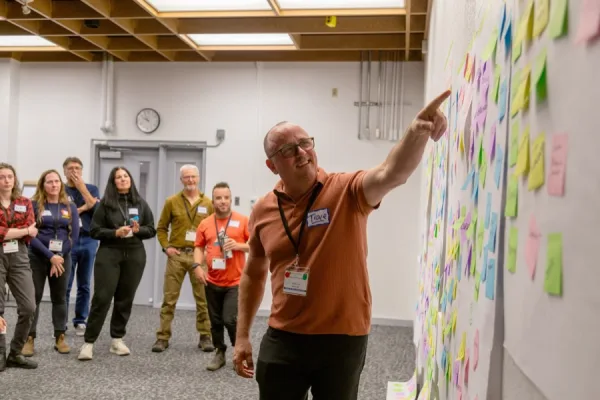
Trace, in the work with a group.
THE PRACTICE
Bring the conversation you are avoiding, the competing priorities your team cannot resolve, or the decision that keeps coming back.
We work through demonstration, rehearsal, observation, and feedback. You apply the learning in your own leadership and return with what happened.
Notice urgency, defensiveness, and the impulse to take over. Create enough space to understand the situation and choose your response.
Invite information across differences in authority. Respond constructively when someone questions the plan or describes a problem you had not seen.
Surface trade-offs between functions, address the relationship as well as the task, and make a responsible decision with clear ownership.
Examine demands, expectations, and support. Act on the organisational conditions you can influence, including those affecting your managers and yourself. Where a serious incident has affected people, practise arranging appropriate support and reviewing recovery needs with those responsible.
Coach another manager through a real leadership responsibility. Help them build judgement, practise the difficult conversation, and develop the people they lead.
Bring useful practices into leadership meetings and operating reviews. Check the effects with the people involved and continue developing what the work needs.
RESEARCH THAT MEETS LEADERSHIP RESPONSIBILITY
Leadership guidance connects healthy and safe work with business decisions, worker involvement, and review. Canadian psychological health and safety guidance includes work planning, resources, and support.
Headway brings these principles into leadership development. We examine demonstrated capability, the decisions that follow, and the experience of the people affected.
Read the research and its implications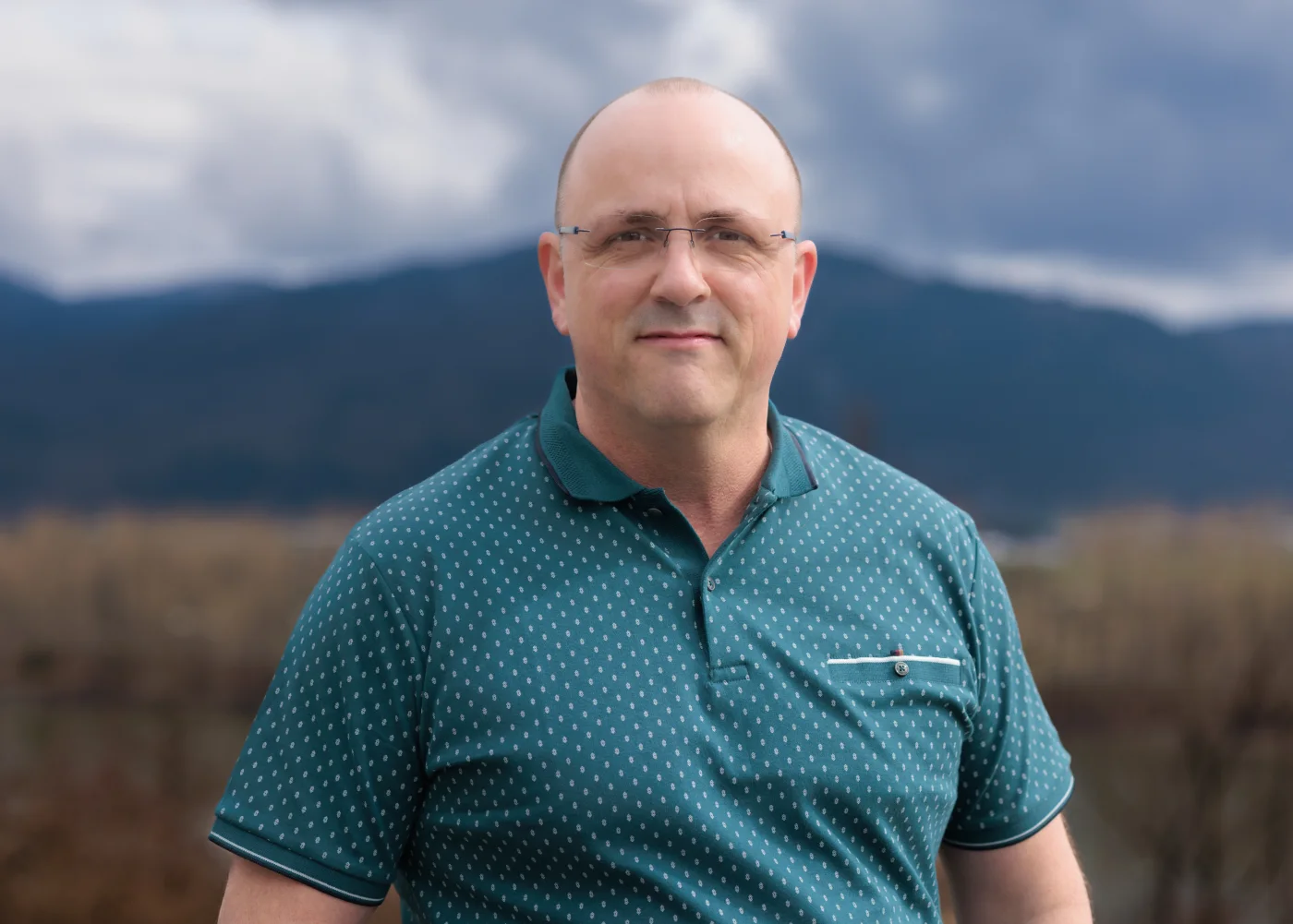
THE EXPERIENCE BEHIND HEADWAY
I’ve worked in oil and gas, power, mining and manufacturing. My background includes regional operations and industrial project leadership, with responsibility for the people and systems that keep work moving.
At Superior Propane, I led regional operations and developed project management practices for industrial work. At Badger Daylighting, I helped build the BC operation, including its management systems and the development of its leadership team.
That experience gives me a practical understanding of the decisions facing owners, executives and senior operations leaders: how work is organised, what managers are equipped to do, and how safety is supported when demands compete.
Headway brings that operational experience together with my work in psychological health and safety, coaching and practitioner development. Across thirty years working with leaders and teams, I’ve carried responsibility for delivery and helped others develop their own leadership.
We work with the decisions and conversations your operation is facing. You practise how to hear what is happening across the business, work through competing demands and develop leaders who can create psychologically healthy and safe conditions for their people.
The people others rely on need people they can rely on, too.
Trace
More about Trace’s workEXPERIENCE BEHIND THE WORK
More than 10,000 hours coaching leaders and working with teams, alongside experience inside healthcare, industry and other high-pressure organizations.
 Royal Roads University
 University of Fredericton
 Simon Fraser University
 MTHS Certified Trauma-Informed Coach
 ICF Professional Certified Coach
 Certified Transformational Presence Coach
 Fraser Health
 Island Health
 BC Hydro
 TELUS
 Vancouver 2010 Olympics
 Peter Kiewit
 City of Vancouver
 FortisBC
HEADWAY · THE LEADERSHIP PROGRAMME
A proposed ten-week private programme for eight leaders, working in pairs on four live leadership challenges. Individual coaching, supported application, and a review at day 90.
BEFORE WE BEGIN
Agree the leadership challenges, decision authority, baseline, and perspectives needed from across the operation.
SIX PRACTICE LABS
Demonstrate, rehearse, and receive feedback on the conversations and decisions your leadership requires.
IN YOUR OWN WORK
Apply the learning, develop another manager or leader, and examine what changes for the people affected.
DAY 90 FROM KICKOFF
Review the leadership practices, decisions, and conditions that have changed—and what still needs attention.
The accountable leader participates in decisions about priorities, resources, and working arrangements. The programme includes leaders’ own psychological health and safety.
A FEW PRACTICAL QUESTIONS
Industrial executives, directors, owners, senior operational leaders, and managers responsible for other leaders, teams, and organisational performance. You and your management colleagues participate in the development yourselves.
Yes. The proposed programme centres on one leadership team or a connected group with shared responsibility. It can include operations, maintenance, safety, people, and other relevant leaders. We agree a manageable scope together.
How people are treated and what they feel able to say, alongside demands, resources, clarity, fairness, and support. We work with your leadership behaviour and the organisational conditions you have authority to influence.
Headway works with the systems you already use. It develops leadership through current situations, coaching, and application. Technical decisions and established safety processes remain with the people qualified and authorised to carry them.
Plan for 14 paid learning hours per participant, including the labs, individual coaching, peer rehearsal, preparation, and day-90 review. Workplace application is additional. A commissioning leader in the programme needs three further scheduled hours; outside the cohort, their scheduled commitment is four hours including day 90.
We agree measures before beginning: demonstrated leadership practice, decisions on the selected cases, development of other leaders, and affected people’s experience. We check what remains in use at day 90 and consider other changes that could explain results. Headway’s effects are not yet established.
What you are working towards
Your leadership team can explain which commitment changed, who carries the decision and how the operation will know it is working. Managers can challenge a plan and exercise supported judgement across functions. You review the conditions at the site alongside the commitments made in the meeting.
We agree what progress would look like in your situation, then review the evidence together.
BEGIN WITH A HEADWAY LEADERSHIP WORKING SESSION
A short intake. A two-hour facilitated session with you and the relevant management colleagues. A follow-up after two weeks.
We’ll examine what is happening, practise a leadership intervention, and identify a supported next decision or action. You leave with a clearer basis for moving forward.
Start with the work. Discover what your leadership needs next.
Working on a specific difficult change? Explore Wayfinder for change and implementation professionals.
Explore Wayfinder