Understand what the objection protects.
Listen for professional standards, workload, relationships and past experience. Test your interpretation with the people involved before deciding what the resistance means.

For Change Professionals
Wayfinder · Human Intelligence for Difficult Change
Wayfinder trains the people responsible for helping others adopt difficult change—in healthcare, long-term care, and safety-intensive industry. Learn to create psychological health and safety, work through disagreement, and build a next step people can carry.
Change professionals · From agreement to adoption
The launch date is booked. Your sponsor wants visible progress. The team wants to know what they can stop doing to make room for the new process.
You can explain the benefits and still be unable to answer that question. Getting traction means understanding what people are being asked to give up, what they need to learn and which decisions have yet to be made.
Wayfinder gives you coached practice in those encounters: work with disagreement, make participation psychologically safe, and help the sponsor and team reach a next step they can support.
Bring a change that has stalled. Rehearse a difficult encounter, involve the sponsor where authority is needed, and test an agreed next step with the people who will use it.
What you develop through Wayfinder
Listen for professional standards, workload, relationships and past experience. Test your interpretation with the people involved before deciding what the resistance means.
Practise making challenge safe, responding to dismissive behaviour and helping people influence the parts of the change that remain open.
Turn unresolved conditions into a clear request for a decision or support. Agree a small trial, hear what happens and adjust before extending it.
Your guide · Trace Hobson
You can be held responsible for buy-in while carrying tensions you cannot settle alone. You need the skill to work with disagreement and the backing to act on what it reveals.
Trace brings experience in operational change, project implementation and developing leaders and coaches. His work spans industrial operations and psychological health and safety with healthcare teams.
Meet Trace and explore his experienceHow we begin
Discuss the change you are struggling to move and whether a case clinic or cohort is the right starting point.
Identify the practitioner, sponsor, decisions in scope, protected time, and support needed to practise.
Rehearse difficult moments, apply the learning, and review whether the agreed practice is taking hold.
Start with an enquiry. We agree the fit, scope, time, and investment before you commit.
Wayfinder · Programme at a glance
For change, improvement, and safety professionals working in healthcare, long-term care, and safety-intensive industry.
Develop the ability to hear what is keeping change stuck, create psychologically healthy and safe conditions for participation, and turn the conversation into a supported next step.
Begin by discussing a difficult change case clinic: a two-hour working session with a practitioner and sponsor, followed up after two weeks. An enquiry starts a conversation; it does not book a place or session.
WHEN YOU’RE THE PERSON ASKED TO MAKE IT HAPPEN
You’ve explained the change. Held the meetings. Listened to the concerns. People are still stretched, sceptical, or unsure how to make it work. You need a way to move forward with them.
A better care routine.
An already stretched shift.
Both need to be understood.
A new process can make sense in a meeting and add pressure at the bedside. Care aides and nurses know the handoffs, interruptions, and workarounds that determine what happens next.
Learn to bring that knowledge into the decision, address the demands of the change, and build a way forward people can carry across shifts.
For practice leaders, clinical educators, quality leads, and change professionals.
A new pathway.
Different professional priorities.
A shared responsibility for care.
A service redesign or digital workflow can unsettle roles, relationships, and professional judgement. Important concerns may be hard to voice in front of the people making the decisions.
Practise working across those differences, making difficult information discussable, and securing the decisions and support that implementation needs.
For clinical transformation, OD, project, learning, and improvement professionals.
A revised procedure.
Pressure to keep production moving.
Experience that needs to be heard.
Operators, supervisors, and contractors see where a new requirement meets field conditions. Their objections may reveal something the implementation plan has missed.
Learn to examine the concern, involve the right technical and safety decision-makers, and help people carry the change responsibly.
For safety, operational excellence, project, and change professionals.
A MOMENT WAYFINDER PREPARES YOU FOR
An illustrative long-term-care situation.
A revised handover. A deadline.
A concern that keeps returning.
“You keep adding steps.
We still have the same
number of people.”
The new handover is meant to improve continuity. The practice lead has explained why it matters. The team hears another demand on time they don’t have.
“Show me where this
becomes difficult
on your shift.”
The practitioner listens without defending the rollout. Staff explain that the new handover overlaps with an existing record and assumes cover that isn’t available at night.
“What can we simplify?
Who can resolve
the coverage gap?”
The clinical lead reviews the duplication. The sponsor addresses the coverage question. With the appropriate approvals, staff help test a revised handover and review its effect on continuity and workload.
A fictional teaching example. Clinical and safety decisions remain with qualified, accountable people. Select each step to follow the conversation.
THE HUMAN CONDITIONS FOR CHANGE
Wayfinder teaches practitioners to work with three connected conditions: what people feel able to say, what they are being asked to carry, and what makes the next step possible.
Invite questions, uncertainty, and disagreement. Respond to unwelcome information with respect. Help people see that raising a concern can lead to a meaningful response.
“Can I tell you what I see?”
Examine workload, role clarity, support, and influence. Recognise moral concerns and work with responsible leaders on conditions that put people at risk.
“Can we carry this without being harmed?”
Understand what matters to people, what they can influence, and what they need to act. Build commitment alongside the time, skills, and support to follow through.
“What would make the next step workable?”
Human intelligence makes the real situation visible.
Shared decisions and workable conditions make progress possible.
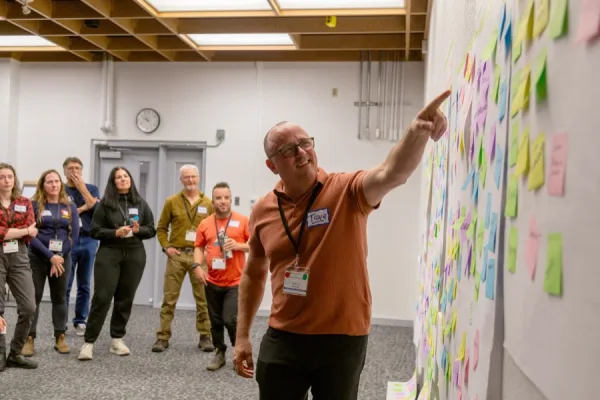
Trace, in the work with a group.
DEVELOP THE PERSON CARRYING THE CHANGE
You bring the conversation that went quiet, the concern you keep hearing, or the decision nobody seems able to make.
We demonstrate, rehearse, observe, and give feedback. Then you practise a specific behaviour in your own setting and return with what happened.
Separate uncertainty, distrust, competing priorities, and practical constraints. Find out what people are protecting and what needs a different explanation, a changed plan, or a sponsor’s decision.
Notice your own reactions. Listen without rushing to defend the change. Stay clear about your role and boundaries while making room for information you may not have considered.
Invite contributions across differences in status and authority. Work with silence and disagreement. Respond in ways that support continued candour and show people how their concerns will be handled.
Translate what you hear into design requirements, choices, support needs, or escalation. Connect psychological health and safety to the working arrangements people will actually experience. When change follows a traumatic incident, include appropriate recovery support in the discussion of readiness.
Involve affected people in a bounded, authorised test. Agree what to observe, how to surface problems, and when to review. Let experience inform the next decision.
Coach local leads, establish ownership, and build review into everyday routines. Make sure the work can continue beyond the workshop and the project team.
RESEARCH THAT MEETS THE REALITY OF CHANGE
The programme uses coached rehearsal, live cases and sponsor review. Our evaluation asks whether participants can lead the encounters, obtain the decisions and support the continuing practice their change requires.
Wayfinder brings psychological safety, workplace health, and implementation research into coached practice. The founding programme will evaluate what changes in participants’ own settings.
Read the research and its implications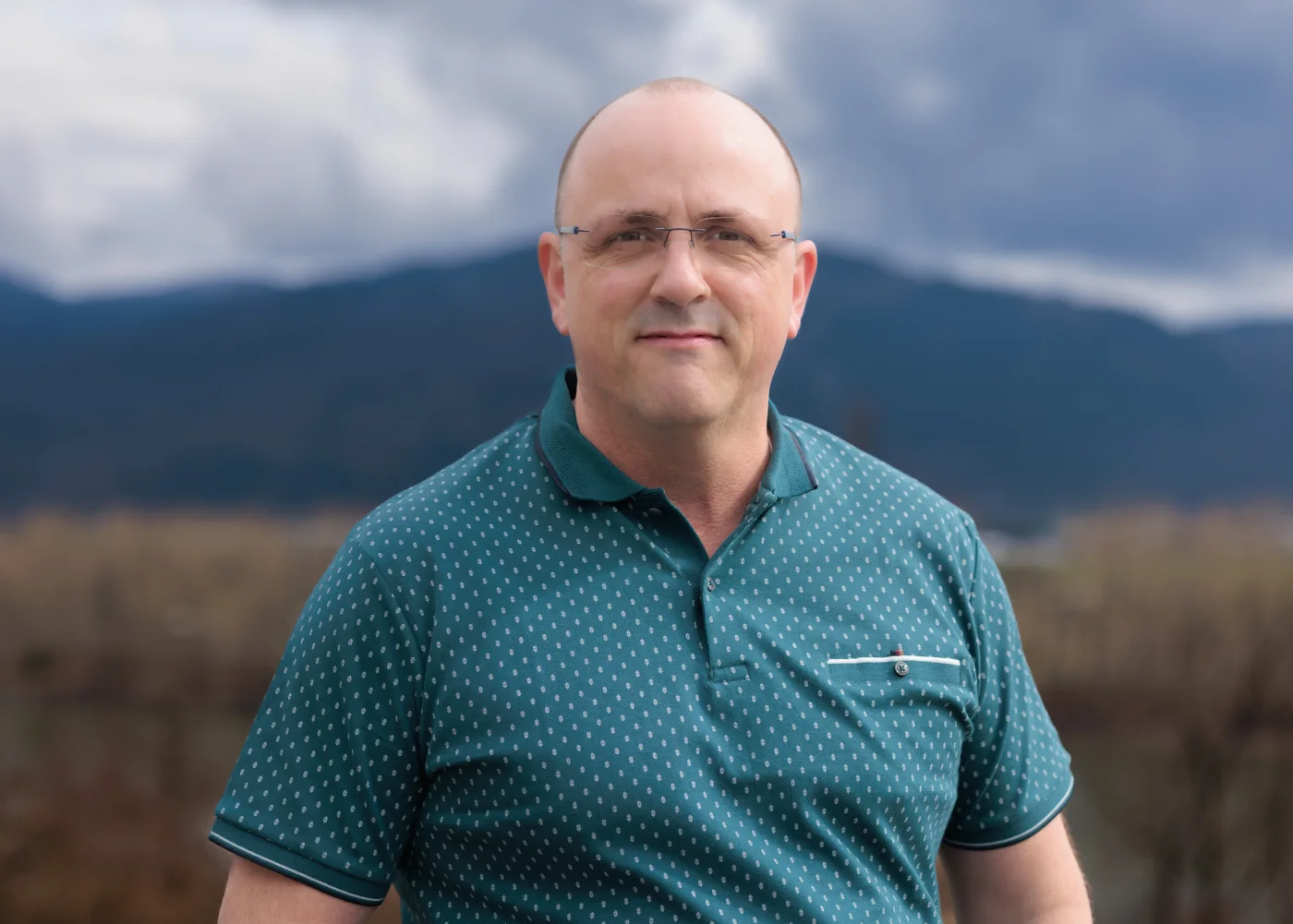
THE EXPERIENCE BEHIND WAYFINDER
I’ve been responsible for regional operations, industrial projects and putting new ways of working into practice. I know that carrying a change means working with the people who have to make it part of their day.
My experience includes building management systems and developing leaders at Badger Daylighting, alongside psychological health and safety work with clinical leaders and teams at Fraser Health. These settings bring real consequences to the decisions about what changes, who carries it and what support they need.
Across thirty years of work with leaders and teams, I’ve combined operational responsibility with coaching and practitioner development. Alan Seale mentored me to lead Transformational Presence programmes; developing people who can take the practice into their own work remains central to what I do.
In Wayfinder, we apply that experience to the change you are carrying. We practise hearing what people find difficult or unworkable, staying effective through disagreement, and helping the right people agree a next step they can put into practice. Psychological health and safety helps people contribute what the change needs you to hear.
I know what it is like to be left carrying too much alone. The people carrying change need people beside them, too.
Trace
More about Trace’s workEXPERIENCE BEHIND THE WORK
More than 10,000 hours coaching leaders and working with teams, alongside experience inside healthcare, industry and other high-pressure organizations.
 Royal Roads University
 University of Fredericton
 Simon Fraser University
 MTHS Certified Trauma-Informed Coach
 ICF Professional Certified Coach
 Certified Transformational Presence Coach
 Fraser Health
 Island Health
 BC Hydro
 TELUS
 Vancouver 2010 Olympics
 Peter Kiewit
 City of Vancouver
 FortisBC
WAYFINDER · THE FOUNDING PROGRAMME
A proposed ten-week practicum for eight practitioners working in pairs on four live changes. Learn alongside people in your sector, with sponsor involvement and a review at day 90.
BEFORE WE BEGIN
Bring a consequential situation. Agree the baseline, the decisions in scope, and the support participants need to practise.
SIX PRACTICE LABS
Six 90-minute sessions across ten weeks. Work with real cases, rehearse difficult moments, and receive specific feedback.
BETWEEN SESSIONS
Practise in the work, compare observations with a peer, and bring what you learn to the next lab and sponsor review.
WEEK TEN · DAY 90
Review demonstrated capability, decisions, and changes in practice. Return at day 90 to see what people are continuing.
These are the outcomes we evaluate together. Sponsors provide protected time and act on issues beyond the practitioner’s authority. Participants’ own psychological health and safety belongs in the work, too.
A FEW PRACTICAL QUESTIONS
Change and OD professionals, client partners, clinical educators, practice leaders, quality-improvement leads, and safety or operational-excellence practitioners. The common thread is responsibility for helping others put a difficult change into practice.
Bring the methods and tools your organisation already uses. Wayfinder develops your ability to apply them in difficult human situations through coached rehearsal, workplace practice, and feedback.
Honest disagreement can remain. Participants learn to clarify what has been decided, what people can influence, and how concerns will be addressed. They work toward an informed, workable next step without treating enthusiasm as a requirement.
Then those conditions need attention. Practitioners learn to recognise and raise the issue with the people who can act. Sponsors retain responsibility for resources and organisational decisions; qualified clinical and safety professionals retain their technical responsibilities.
You can shape how you invite input, respond to concerns, and follow through. Wayfinder also develops your ability to work with authority: who owns the decision, what needs escalation, and where your responsibility ends.
We agree measures for each case before starting. These include observed practitioner behaviour, responses to concerns, actual use of the changed practice, and effects on quality and workload. Research informs the design; the programme’s contribution is evaluated in your setting.
What you are working towards
You can show how staff input changed the implementation plan, which decisions the sponsor made and whether the new practice is being used. The team knows what it has agreed to try, what support is available and when it can influence the next adjustment.
We agree what progress would look like in your situation, then review the evidence together.
BEGIN WITH A DIFFICULT CHANGE CASE CLINIC
A short intake. A two-hour working session with a practitioner and sponsor. A follow-up after two weeks.
We’ll examine what is keeping the change stuck, practise the difficult conversation, and identify a decision or next step—with someone responsible for carrying it forward.
A useful place to start. A clearer basis for deciding what comes next.
Developing your whole leadership team? Compare the sector programmes, Carecraft and Headway.
Compare programmes